
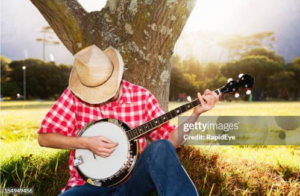
The banjo is a quintessential instrument in genres like bluegrass, folk, and country, beloved for its unique, upbeat sound. Whether you’re a beginner exploring the world of banjos or an experienced musician looking to upgrade, finding the right banjo for sale is essential. This guide will help you navigate the process by highlighting key factors to consider and offering tips on where to buy the perfect banjo.
Understanding Banjo Components
Before you start looking for a banjo for sale, it’s important to understand the key components that influence its sound and playability:
- Body and Resonator: The banjo’s body, or pot, typically consists of a wooden rim and a metal tone ring. Banjos may also have a resonator, a wooden backplate that amplifies the sound, giving it more projection and brightness. Resonator banjos are common in bluegrass music, while open-back banjos, without a resonator, are preferred for old-time or clawhammer styles due to their softer, mellower tone.
- Neck and Fingerboard: The neck of the banjo can be made from various woods, with maple and mahogany being popular choices. The fingerboard, often made from rosewood or ebony, should be smooth and comfortable for easy playability. Pay attention to the neck’s profile (the shape and thickness) to ensure it suits your playing style.
- Head and Bridge: The banjo head, typically made of plastic or calfskin, is stretched over the rim and affects the instrument’s tone. The bridge, which transfers the vibrations of the strings to the head, also plays a crucial role in sound quality. A well-made bridge can improve the banjo’s clarity and sustain.
- Strings: Banjos typically come with either steel or nylon strings. Steel strings produce a brighter, sharper sound, which is ideal for bluegrass. Nylon strings, on the other hand, are softer and more suitable for old-time music. The number of strings can vary, with 4-string, 5-string, and 6-string banjos being the most common, each suited to different playing styles.
Factors to Consider When Buying a Banjo
- Experience Level: Your level of experience should guide your purchase. Beginners might want to start with a more affordable model that offers good sound quality without the complexity of advanced features. Intermediate and advanced players might look for banjos with specific tonal qualities or construction details that enhance performance.
- Musical Style: The genre of music you intend to play will also influence your choice. For instance, a 5-string resonator banjo is ideal for bluegrass, while an open-back banjo is better suited for clawhammer or old-time music. If you plan to play multiple styles, you may want a versatile banjo that can adapt to different tunings and playing techniques.
- Budget: Banjos come in a wide range of prices, from budget-friendly starter models to high-end professional instruments. It’s important to establish a budget before shopping, keeping in mind that higher-priced banjos generally offer better craftsmanship, materials, and sound quality. However, there are also mid-range options that provide excellent value for their price.
- Brand and Reputation: Established brands like Deering, Gibson, and Gold Tone are known for producing high-quality banjos. These brands have a reputation for consistent craftsmanship and sound quality. Researching brands and reading reviews from other musicians can help you make an informed decision.
- Condition: If you’re considering a second-hand banjo, carefully inspect its condition. Look for signs of wear and tear, such as cracks in the wood, loose hardware, or excessive fret wear. Ensure the neck is straight and the tuning pegs hold their tension. If possible, play the instrument before purchasing to assess its sound and playability.
Where to Find Banjos for Sale
- Local Music Stores: Visiting a local music store allows you to try out different banjos and get advice from knowledgeable staff. This hands-on experience is invaluable, especially if you’re new to the instrument.
- Online Retailers: Websites like Amazon, Sweetwater, and specialized music retailers offer a wide selection of banjos. Online shopping provides the convenience of browsing multiple models and reading customer reviews. However, be sure to check the return policy in case the banjo doesn’t meet your expectations.
- Second-Hand Markets: Platforms like eBay, Reverb, and Craigslist often have used banjos for sale. Buying second-hand can be a cost-effective way to get a higher-quality instrument at a lower price. Just be sure to thoroughly check the banjo’s condition or ask for detailed photos and a demo video.
- Luthiers and Custom Builders: For a unique, handcrafted instrument, consider purchasing from a luthier who specializes in banjo construction. Custom-built banjos can be tailored to your specific preferences, offering a level of craftsmanship and personalization that mass-produced models can’t match.
Conclusion
Finding the perfect banjo for sale involves understanding the instrument’s components, considering your musical needs, and shopping at reputable sources. By taking the time to research and compare options, you can select a banjo that will bring joy to your playing for years to come. Whether you’re strumming your first notes or adding to your collection, the right banjo is out there, waiting for you.